OCR
Software - Optical Character Recognition
OCR of Banknote Serial Number, Check MICR, Ticket Barcode
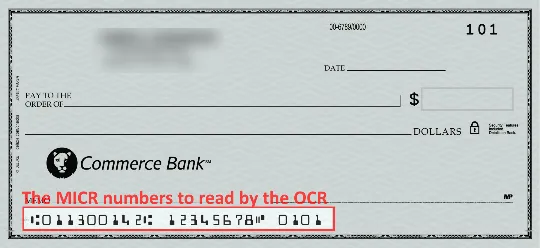
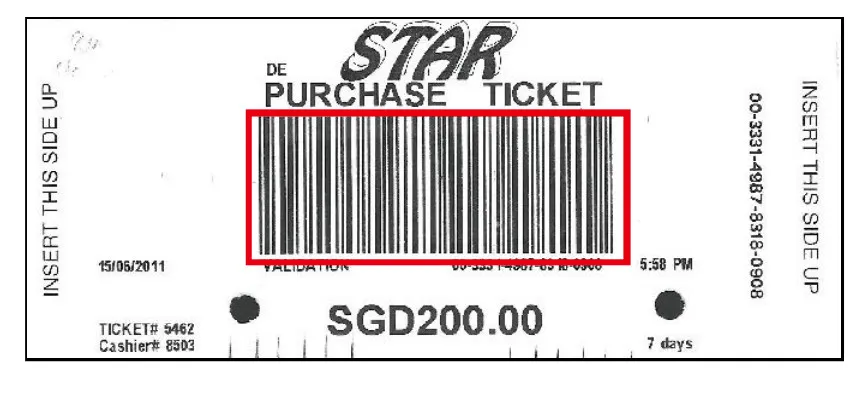
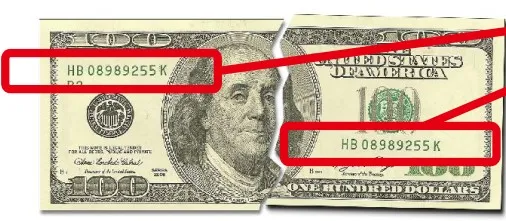
Optical Character Recognition (OCR) converts images of typed or printed text into machine-readable data — enabling automated reading of banknote serial numbers, cheque MICR codes, ticket barcodes, and more.
Techniques
1. Pre-processing
OCR software often "pre-processes" images to improve the chances of successful recognition. Techniques include De-skew, Despeckle, Binarisation, Normalise aspect ratio and scale, and so on.
2. Character Recognition
OCR algorithm produces a ranked list of candidate characters.
3. Post-processing
OCR accuracy can be increased if the output is constrained by a lexicon — a list of words that are allowed to occur in a document.
4. Forcing Better Input
Special fonts like MICR fonts, with precisely specified sizing, spacing, and distinctive character shapes, allow a higher accuracy rate during transcription. These should be used in handling checks and tickets with MICR.
Transfer of OCR Info
After capturing and extracting the desired information, the banknote counter can output the data in two ways. One option is a printer — images and text data can be printed instantly. The other is a PC — images and text data are stored digitally and can be searched later as needed.
Comparison of Serial Number
A composite note is a counterfeit made by joining pieces of different genuine notes. Because it is constructed from genuine material, traditional counterfeit detection technology may not detect it. SNC (Serial Number Comparison) detects composite notes by comparing the serial numbers printed on different areas of the same banknote — if they don't match, the note is flagged.
CBRF Test Results — Highest Recognition Rate Achieved
The Central Bank of Russia (CBRF) independently tests banknote processing equipment for serial number recognition accuracy. Machines are evaluated on real banknote populations under standardized conditions, and results are published on the official CBRF register. In the February 2026 test, Hyundai MIB Axiom achieved the highest recognition rate among all counters and sorters.
Top 10 Counters & Sorters by Recognition Rate
| # | Model | Manufacturer | Date | Composite | Рно | Р |
|---|---|---|---|---|---|---|
| 1 | Hyundai MIB Axiom | HMI, Korea | 2026-02 | 1+ chars | 0.0075 | 0.9999 |
| 2 | DORS 4020 | НПК РИТМ, Russia | 2025-04 | 1+ chars | 0.0021 | 0.9999 |
| 3 | Kisan K 5 HD | ДИИП 2000, Russia | 2024-05 | 1+ chars | 0.0004 | 0.9999 |
| 4 | Kisan Newton 30 HD | ДИИП 2000, Russia | 2023-09 | 1+ chars | 0.0047 | 0.9996 |
| 5 | Kisan Smart HD | ДИИП 2000, Russia | 2024-07 | 1+ chars | 0.0010 | 0.9995 |
| 6 | Glory UW-F4 | Glory, Japan | 2023-09 | 2+ chars | 0.0012 | 0.9995 |
| 7 | Glory UW-F4 | Glory, Japan | 2024-08 | 2+ chars | 0.0009 | 0.9994 |
| 8 | Glory GFS-220F | Glory, Japan | 2024-04 | 1+ chars | 0.0001 | 0.9987 |
| 9 | DoCash DC-45F | Double Power, China | 2024-08 | 1+ chars | 0.0008 | 0.9985 |
| 10 | DORS 820F | НПК РИТМ, Russia | 2024-03 | 1+ chars | 0.0030 | 0.9983 |
Р (Recognition Rate) — Probability of correctly reading all serial number characters. Higher is better.
Рно (False Reject Rate) — Probability of rejecting a genuine note as unreadable. Lower is better.
Composite Detection — Minimum number of differing characters between left and right serial numbers required to flag a composite note. "1+ chars" means even a single-character difference is detected.
Barcode Reading (TITO, Voucher)
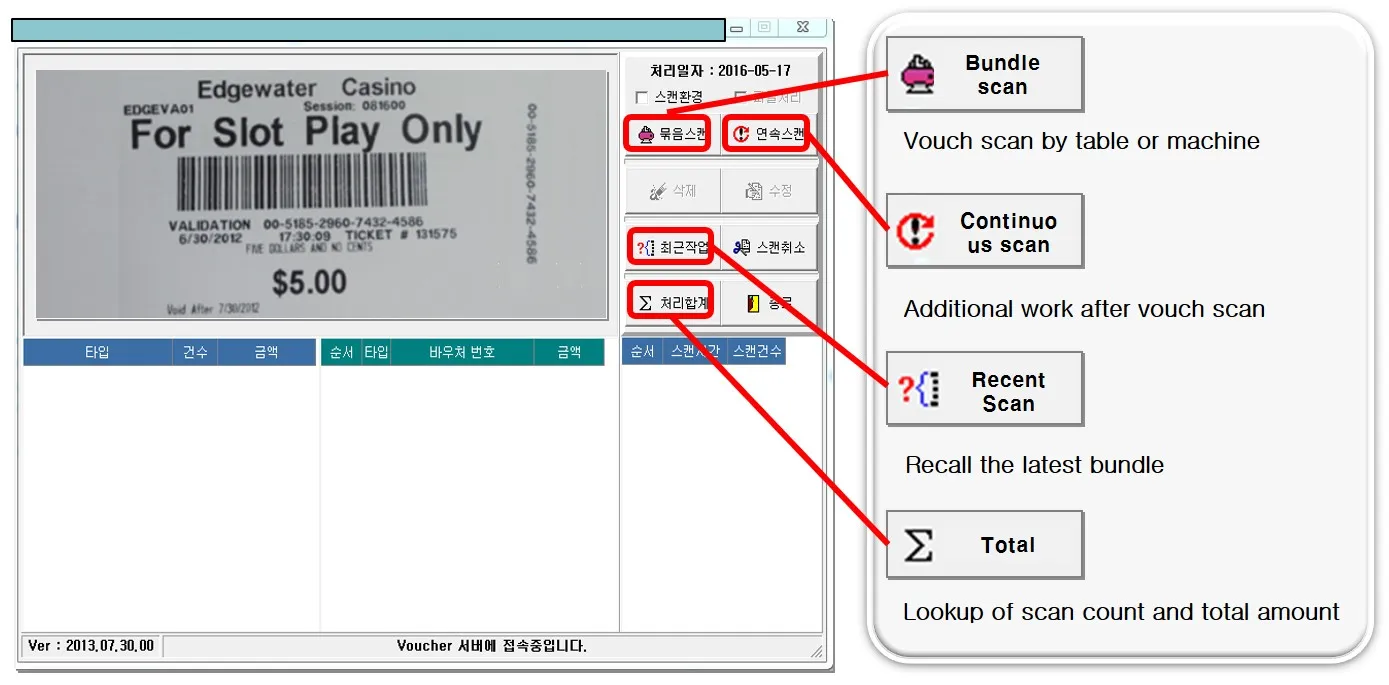
Many businesses — including casinos, theatres, and bus terminals — are required to store electronic copies of tickets. Combined with management software, a banknote counter capable of reading barcodes, MICR codes, and more can dramatically improve processing efficiency.
Case Studies
Police
Serial Number Capturing
Casino
Ticket In Ticket Out Management
Currency Exchange
Serial Number Capturing
Bank Teller
Serial Number Capturing
Check Management
Check Scanning & Management
Products with OCR
MIB-9
Single-sided OCR with 2 pockets
MIB-11
Double-sided OCR with 2 pockets
SB-3000
Double-sided OCR with 3 pockets
MIB-5000
Double-sided OCR with 5 pockets