Plastic Notes
Mechanical - Polymer Banknote Processing
Plastic (Polymer) Banknotes
Plastic banknotes (also known as polymer banknotes) are becoming increasingly common worldwide.
Processing plastic banknotes is more difficult because they contain transparent areas designed to enhance security.
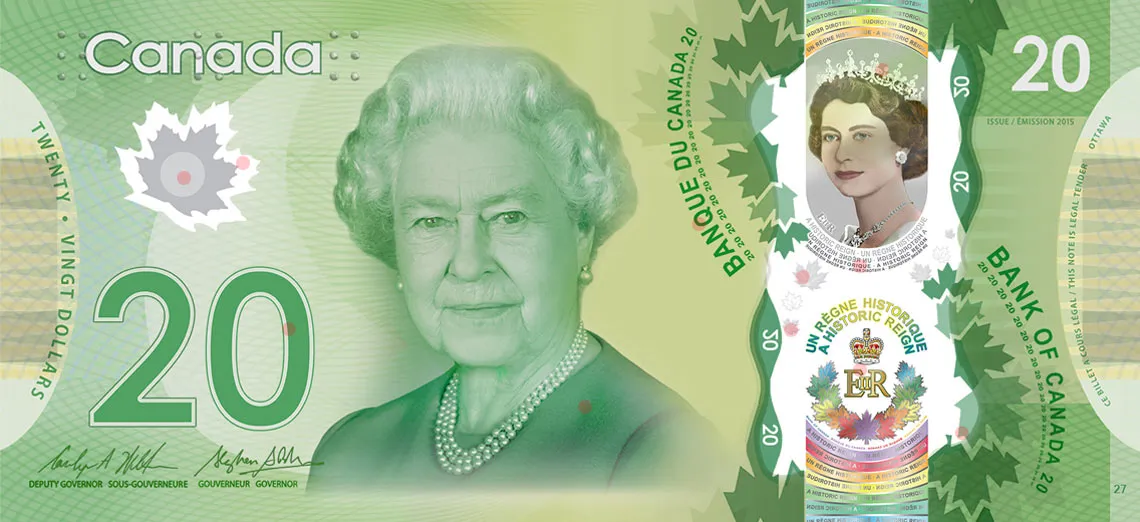
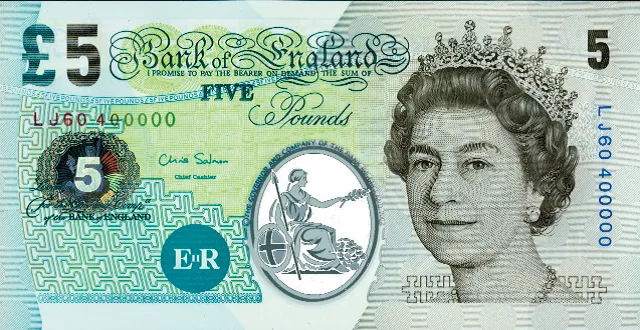
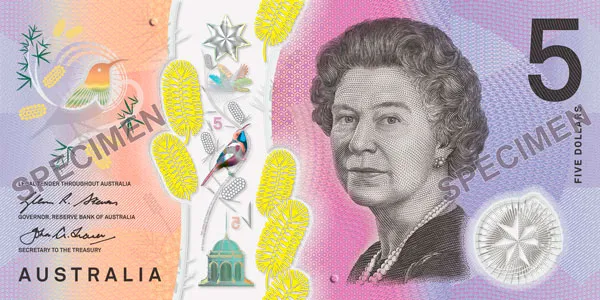
The transparent area in the polymer note is getting bigger. To make matters worse, the new $5 Australian dollar (AUD) has a long transparent area from top to bottom.
This is already causing significant processing challenges in the industry.
Polymer notes also generate significant static electricity, which causes jams inside the machine and makes it difficult to separate individual banknotes.
A reliable banknote counter must be able to handle these unique characteristics of polymer banknotes.
One more critical factor to consider:
With each new banknote design, the transparent area tends to grow larger. Some banknote counters address this by adding extra position sensors — a temporary fix. As transparent areas continue to expand in future designs, this approach will eventually fail, forcing businesses and banks to purchase new machines.
A future-proof technology capable of handling polymer banknotes with large transparent areas is essential.
All of the following machines can handle polymer banknotes regardless of the size of the transparent area.
Products with Plastic-Note-Counting Feature
MIB-9
Value counter with 2 pockets
SB-3000
Fitness sorter with 3 pockets
MIB-5000
Fitness sorter with 5 pockets
Need a machine that handles polymer banknotes reliably?
Contact Us